The Graves (1965)
someone remembered
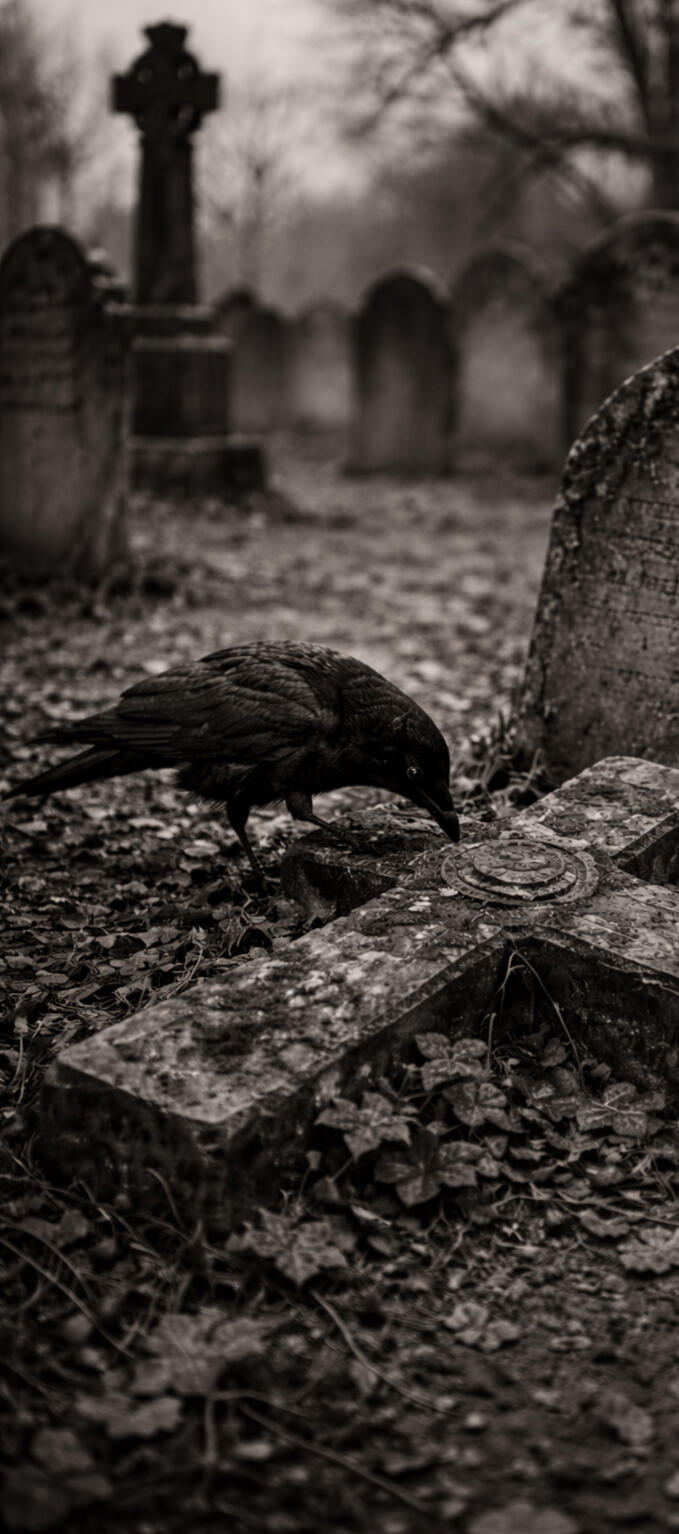
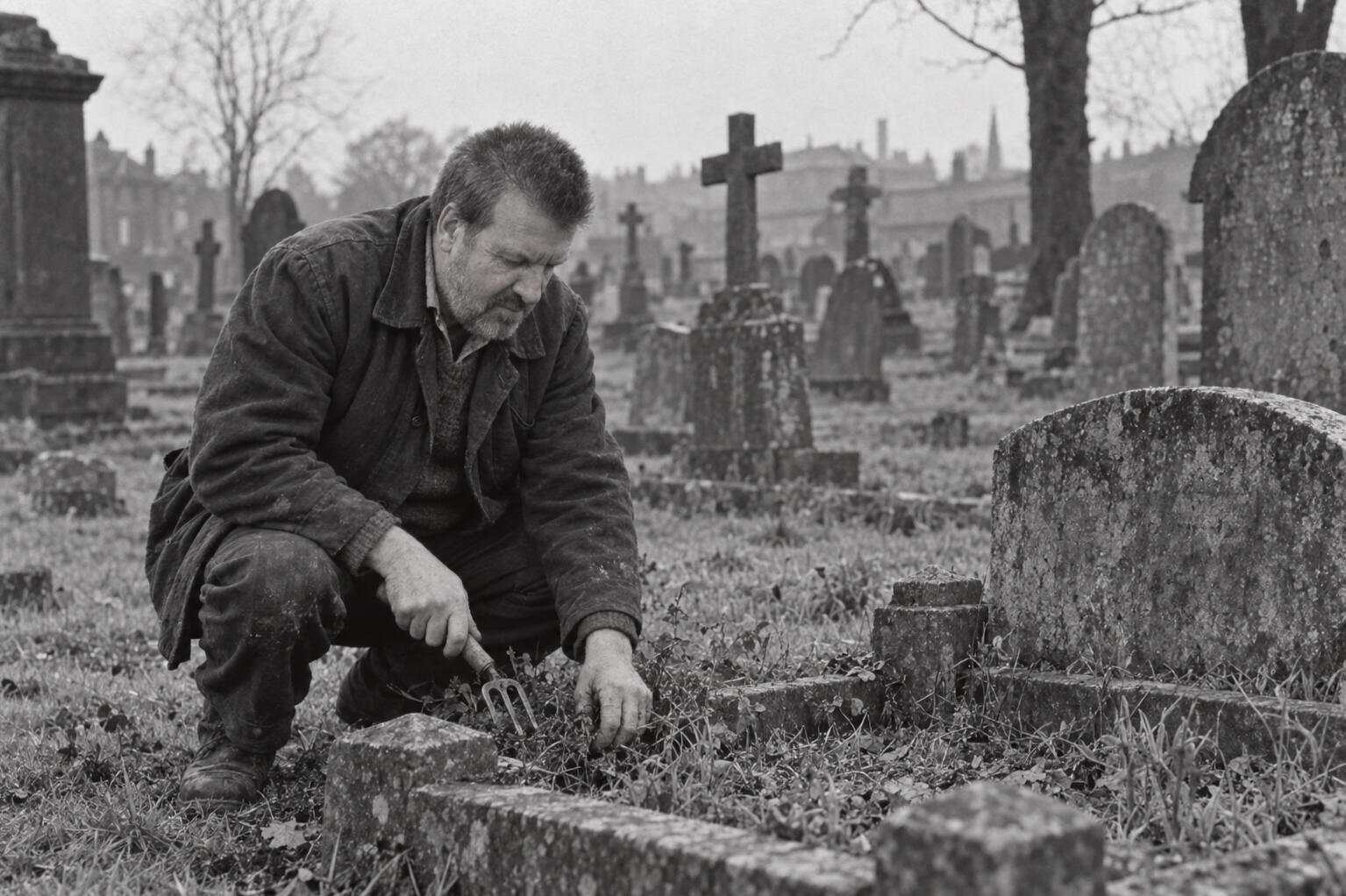
Released in 1965, The Graves was among Crimea Street Films’ quietest productions. Set almost entirely within a municipal cemetery, it starred Mike Waldron as Seth Green, a groundsman whose working days are spent cutting grass, repairing borders and preparing plots for people he has never known.Seth becomes preoccupied with the neglected grave of Clara Vickers, a woman who died more than thirty years earlier. Its stone has begun to sink, the lettering is barely visible and no flowers are ever left. Without mentioning it to his fellow groundsmen, he clears the weeds, straightens the edging and begins placing cuttings there from floral tributes removed elsewhere in the cemetery.His attention leads colleagues and visitors to assume that Clara was a relative, an impression Seth makes no attempt to correct.
When the older section is marked for clearance, graves still visited by relatives are to be preserved. Seth begins signing Clara’s name into the cemetery register and moving small objects onto the plot to suggest regular visits.The deception is discovered, and the grave is removed with the others. In the final scene, Seth continues tending the empty patch of ground where it had stood, carefully cutting around its former edges as though the grave were still there.
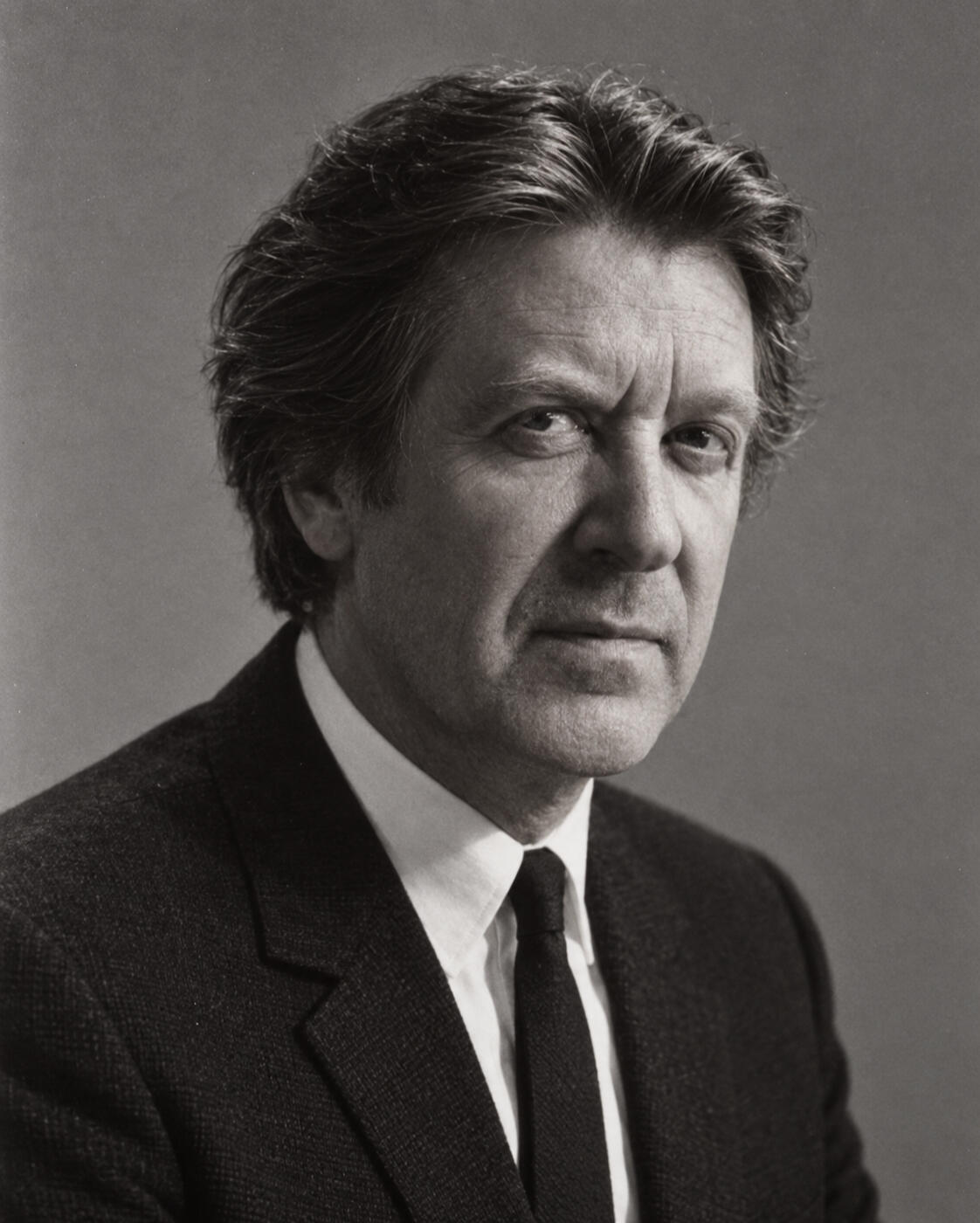
Mike Waldron (1911–1988)Mike Waldron was born in Ancoats in 1911. His father was an intermittently employed labourer and habitual gambler. He left school at fourteen and worked first for a firm of printers, where he remained for nearly a decade. His involvement with a local dramatic society began through scenery construction, although shortages of male performers soon led to occasional appearances on stage.During the 1930s, Waldron joined a succession of repertory companies across Lancashire and Yorkshire. He was rarely cast as a romantic lead, but developed a reputation as a dependable character actor, particularly in roles requiring little dialogue. Directors valued his ability to remain visibly engaged in a scene without drawing attention from its principal performers.Waldron served with the Royal Air Force as ground crew during the Second World War mainly in Burma and returned to repertory theatre after demobilisation. By the early 1950s, he was appearing regularly in radio drama and in small television roles, usually as policemen, railwaymen, caretakers or minor officials. His name remained unfamiliar to most viewers, although his face became increasingly recognisable.His first film appearances were similarly modest. Waldron could be seen briefly in several northern productions during the late 1950s, but was seldom credited and had never been given a leading role. He supplemented his acting income by proofreading.Crimea Street Films cast Waldron as Seth Green in The Graves in 1965. The part required him to carry long sections of the film alone, often while performing routine cemetery work without dialogue. His earlier experience in repertory proved particularly useful, allowing small changes in posture and expression to suggest Green’s growing attachment to the abandoned grave without offering any conventional explanation for it.Waldron reportedly spent several days working alongside cemetery staff before filming began. He learned how graves were measured, how borders were cut and how older headstones were supported while the surrounding ground was repaired. He later said that the groundsmen’s refusal to discuss the people buried around them had influenced his performance more than anything contained in the script.Following The Graves, Waldron received several offers to play similarly solitary men, including caretakers, watchmen and widowers. He accepted some television work but resisted becoming associated exclusively with silent or withdrawn characters. He returned to the stage in 1967 and spent much of the following decade working with repertory companies in the North West.Waldron retired from regular acting in 1978, though he continued to make guest appearances on mid-afternoon and early-morning local radio programmes. He died in Preston in 1988 at the age of seventy-seven, reportedly while demonstrating to passers-by that he could fit forty Mint Imperials into his mouth. While his career included more than thirty years of stage, radio and television work, The Graves remained the only film in which he received top billing.His performance as Seth Green was later recognised as central to the film’s effectiveness. Waldron gave the character neither an obvious history nor a stated motive, leaving audiences to decide whether his care for the forgotten grave arose from compassion, loneliness or the fear that he too might one day be left without visitors.
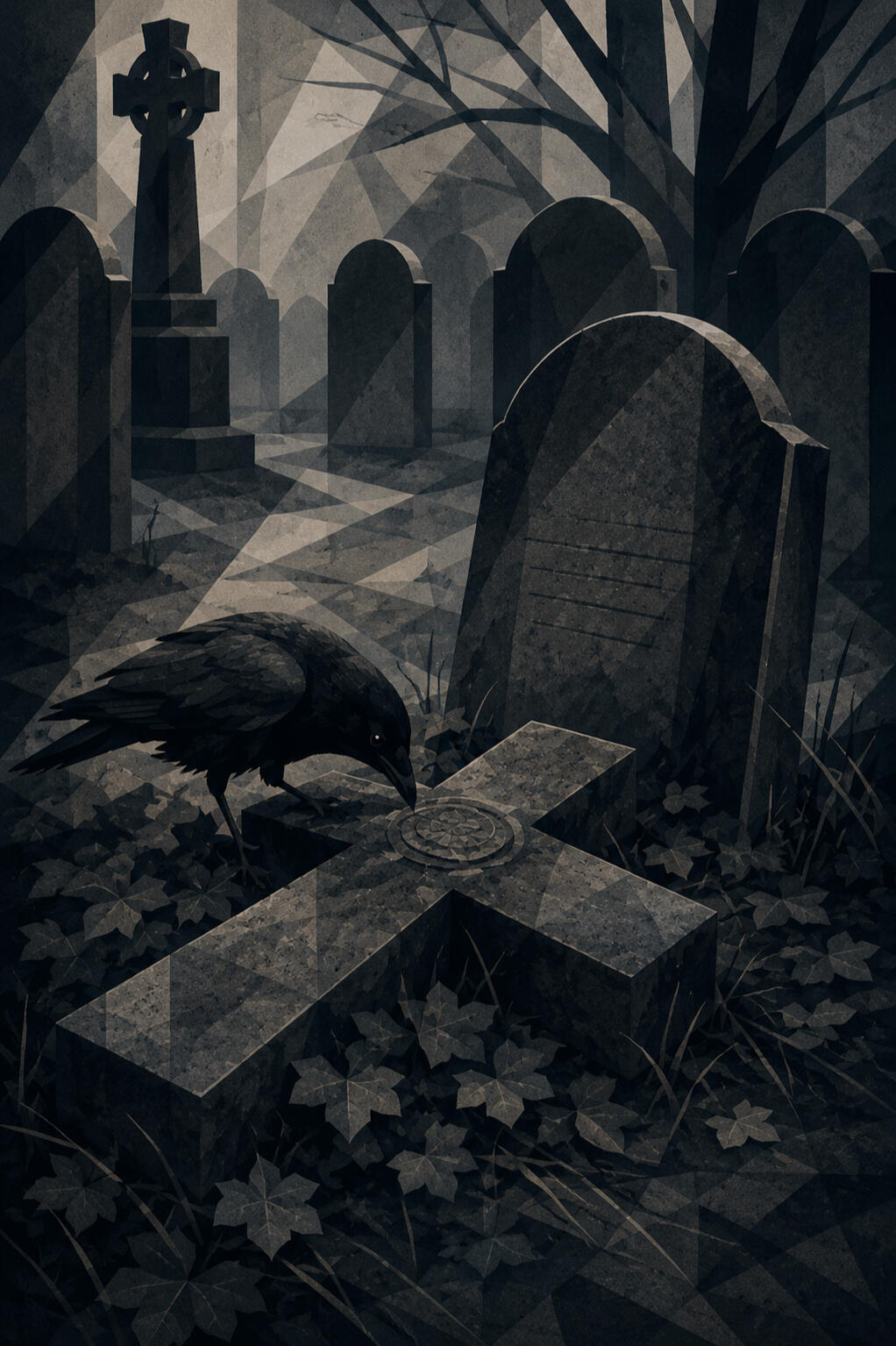
The Graves (Northern Deco)The cemetery setting of The Graves became the subject of Olive James’ distinctive reimagining, reducing its crowded headstones, bare trees and overgrown pathways to overlapping forms in charcoal, stone grey and black.James later remarked that the crow interested her because, unlike the cemetery’s human visitors, it made no distinction between graves that were remembered and those that had been abandoned.The result is a work in which individual memorials appear to merge into a single landscape of stone and shadow, while the neglected grave occupies the foreground - not because it is visibly different from the others, but because Seth Green has chosen to notice it.Available exclusively through FCSF, this artistic interpretation is available unframed on 240 gsm art paper and measures 16 x 20 inches.
What did the critics think?
Upon release, The Graves received a largely subdued critical response. While Mike Waldron’s performance attracted considerable respect, few reviewers believed the film surrounding him was equally successful.The Manchester Evening Chronicle praised Waldron’s restraint while criticising the screenplay:“Mike Waldron gives Seth Green a quiet humanity that the picture itself never quite earns. He watches over the forgotten dead with admirable patience, though audiences may feel they have joined him on permanent duty.”Films and Filming considered the central idea too slight for a full-length production:“Waldron understands that loneliness is most convincing when it remains unexplained. Unfortunately, the film repeatedly explains everything else, then lingers over the gravestones in case the symbolism has escaped us.”The Macclesfield Evening Recorder was less forgiving:“Mr Waldron brings dignity to his cemetery groundsman, but even he cannot breathe life into a story so determined to remain buried. The graves are neglected, the pace is funereal and the audience may envy those already at rest.”Commercially, The Graves performed poorly outside a limited number of northern cinemas. Several exhibitors reported that its title and advertising had led audiences to expect a mystery or crime picture rather than a quiet character study. Although Waldron’s performance continued to be mentioned favourably, the film itself was generally regarded as a sombre idea extended considerably beyond its natural length.
From the archive
Among the surviving production papers for The Graves is a note from the cemetery superintendent:“Please remove the flowers from the Vickers grave after filming. Three visitors have now assumed they were left on the wrong plot.”
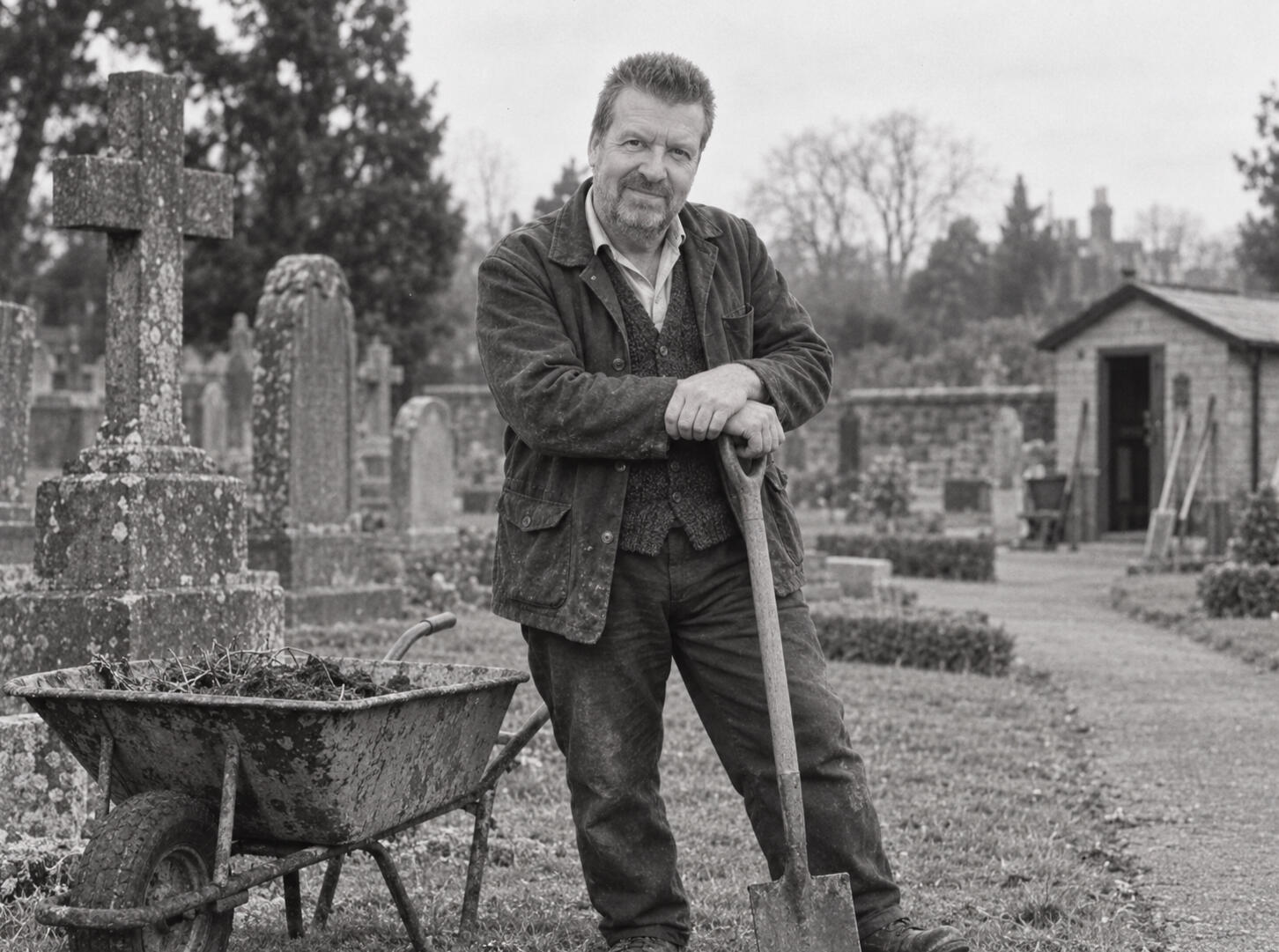
Publicity shot from the archive
The artwork of Reg Baines
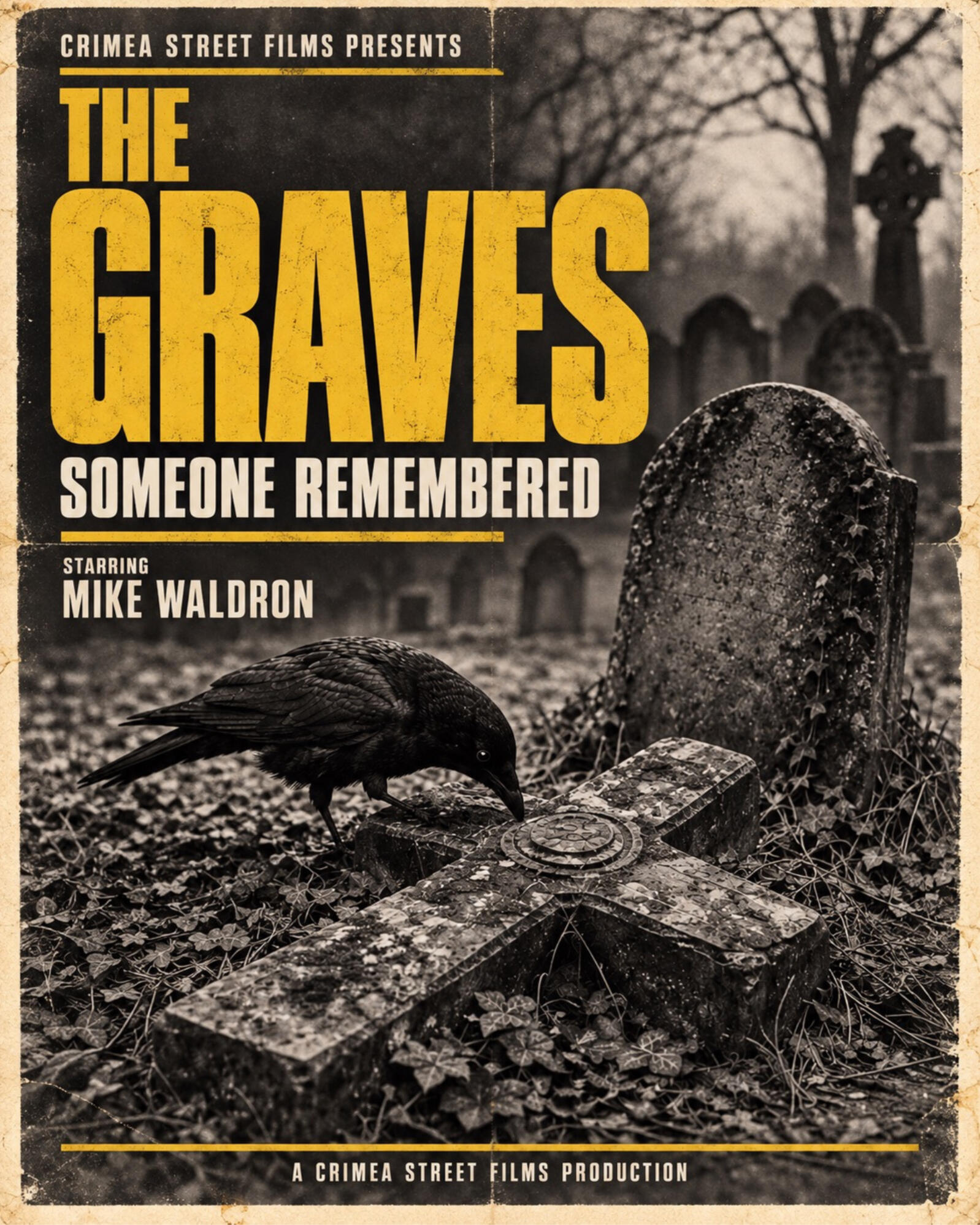
The original posters created by Reg Baines are synonymous with the studio and are very much part of its history.They would have been seen throughout the North of England outside cinemas, on hoardings and in places such as train stations.Most of them were damaged in a fire at the studio in late 1966, but we are delighted to now work with Parbold based artist, Brian Astley.He has faithfully reproduced each poster to a standard that our Reg would have been proud of and each one is available unframed on 240 gsm art paper as a 16 x 20 inch homage to the films we celebrate.